
From Vision to Reality
Advancing Eye Research in India
- The Iladevi Cataract & IOL Research Centre (ICIRC), Ahmedabad, has established itself as a globally recognized centre of excellence in eye research and innovation. For more than three decades, ICIRC has pioneered breakthroughs in genetics, molecular biology, surgical techniques, drug development, and infection control — addressing critical challenges such as cataracts, childhood blindness, dead bag syndrome, diabetic eye disease, and post-surgical complications.
- With over 250+ peer-reviewed publications, the training of 165+ national and international fellows, and the mentorship of multiple PhD scholars, ICIRC continues to make a lasting global impact. Its contributions have been honored with prestigious awards, including the Dr. B.C. Roy National Award, the ASCRS Binkhorst Medal Lecture, and the ESCRS Harold Ridley Medal — among the highest recognitions in global ophthalmology.

- Driven by clinical excellence, ethical practice, and transformative research, ICIRC proudly positions India at the forefront of vision science and global eye care.
Academics & Research
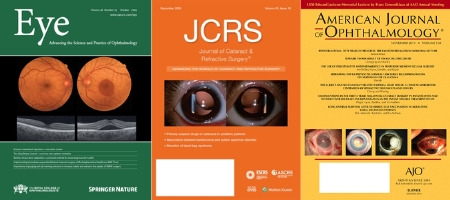
250+ peer-reviewed publications in leading international ophthalmology and vision science journals.
20+ research scholars and over 100 biomedical professionals nurtured through hands-on translational research programs.

Pioneered clinical and genetic studies in inherited and developmental eye disorders, contributing to early diagnostics and personalized treatment strategies.
Societal Impact
Transforming the Future of Eye Research in India
- For over two decades, our research team, led by Dr. Abhay R Vasavada at ICIRC has been driving breakthrough research to prevent blindness and improve vision care in India and worldwide.
- With a strong focus on practical solutions to real-world problems ICIRC’s achievements span drug discovery, genetic and molecular research, advanced surgical innovations, and infection control-offering hope and improved quality of life to patients across all ages.
- From rural communities to cutting-edge global conferences, our work has created real change-helping children see clearly, making surgeries safe, and ensuring that even the most complex vision problems can be understood and managed.
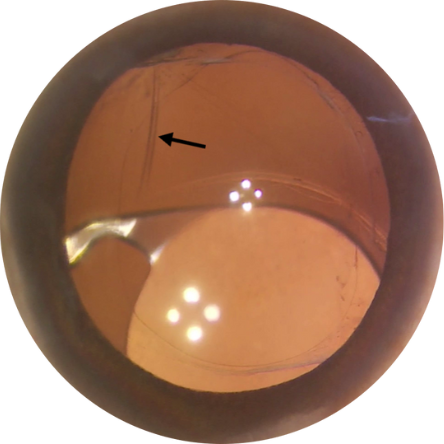
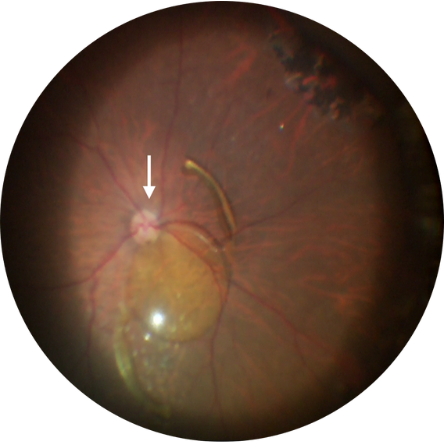
First Genetic Study in the World on a Serious Eye Condition Dead Bag Syndrome
- Dead Bag Syndrome occurs several years after cataract surgery, causing lens implants to shift and blur vision.
- For the first time in the world, we discovered a few novel genetic variants associated with this condition.
- This is a major break through in the field of ophthalmic genetics across the world.

Genetic Insights into Childhood Blindness

- We have identified specific genetic mutations in affected Indian families.
- Certain children are born with severe vision disorders, including congenital cataracts, microphthalmia (small eyes), and aniridia(missing iris).
- The studies also explore age-related cataracts, allowing for more personalized approaches to prevent blindness later in life.
- These findings help doctors offer early diagnosis, accurate genetic counseling, and the foundation for future gene-based therapies.
Untying the Molecular Pathology inside the lens
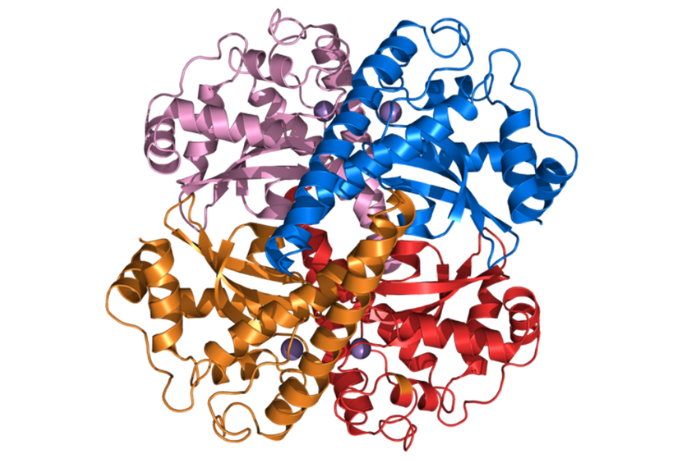
- We have studied how aging, sunlight (UV radiation), and steroid use affect the lens. We found that proteins like superoxide dismutase(SOD) and enzymes like matrix metalloproteinases (MMPs) are essential for maintaining lens clarity.
- We also explored epigenetic changes—how gene expression is altered without changing DNA itself—and their role in Posterior Capsular Opacification.
- Understanding how eye cells work at the microscopic level is key to preventing irreversible damage.
- These findings offer potential for new, targeted treatments that could delay or prevent vision loss.
New Medicines to Prevent after Cataract. This is known as Posterior Capsule Opacification(PCO)

While cataract surgery restores vision for most patients, many later develop Posterior Capsule Opacification (PCO)—a common complication that clouds vision again. We are working with plant-based compounds like Silibilin, Andrographolide, and Mimosine to prevent this issue. These compounds protect lens cells from oxidative damage and abnormal changes that lead to PCO. We also target a biological process called epithelial-mesenchymal transition (EMT), which contributes to PCO. Using advanced drug delivery systems such as nanotechnology, We aim to make treatments safer, more effective, and even applicable to other medical fields like cancer care.
- While cataract surgery restores vision for most patients, many later develop Posterior Capsule Opacification (PCO)—a common complication that clouds vision again.
- We are working with plant-based compounds like Silibilin, Andrographolide, and Mimosine to prevent this issue.
- These compounds protect lens cells from oxidative damage and abnormal changes that lead to PCO.
- We also target a biological process called epithelial-mesenchymal transition (EMT), which contributes to PCO.
- Using advanced drug delivery systems such as nanotechnology, we aim to make treatments safer, more effective, and even applicable to other medical fields like cancer care.
Identified unique pathogens causing “Keratitis”
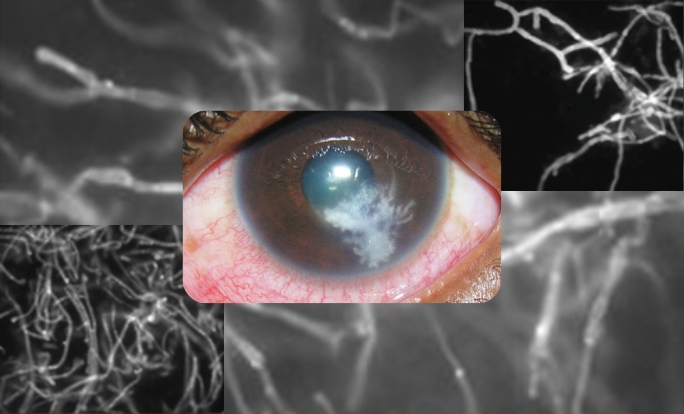
- Eye infections, especially fungal ones, can cause permanent damage if not diagnosed and treated quickly.
- We identified rare fungal species affecting Indian patients and studied their resistance to existing treatments.
- We also discovered how these fungi produce melanin, a pigment that helps them survive inside the human body.
- This research has helped doctors better diagnose and treat infections—especially in rural and underserved areas where early intervention is often lacking.
Eye infections, especially fungal ones, can cause permanent damage if not diagnosed and treated quickly. we identified rare fungal species affecting Indian patients and studied their resistance to existing treatments. we also discovered how these fungi produce melanin, a pigment that helps them survive inside the human body. This research has helped doctors better diagnose and treat infections—especially in rural and underserved areas where early intervention is often lacking.
Preventing Post-Surgical Complications

- A lesser-known complication called Dead Bag Syndrome can occur years after cataract surgery, causing lens implants to shift and blur vision.
- We analyzed over 100 patient cases to find risk factors and propose solutions.
- Our work has provided valuable clinical evidence that helps surgeons prevent and manage such issues—leading to better long-term outcomes for patients.
A lesser-known complication called Dead Bag Syndrome can occur years after cataract surgery, causing lens implants to shift and blur vision. we analyzed over 100 patient cases to find risk factors and propose solutions. Our work has provided valuable clinical evidence that helps surgeons prevent and manage such issues—leading to better long-term outcomes for patients.
Translational Research
From Bed to Lab
Globally, we are positioned as a unique translational research team
- ICIRC has been a leader in developing advanced surgical techniques that improve both safety and visual results.
- A major achievement is the “POPS” technique, a new method to gently remove soft lens material during surgery—especially helpful in children with cataracts. We have also pioneered customized procedures like anterior limbal vitrectomy for children suffering from Persistent Fetal Vasculature (PFV)—a serious congenital eye disorder.
- The use of toric intraocular lenses (IOLs) in children with cataracts and astigmatism has led to better vision and reduced the need for glasses. We have also contributed to standardizing treatments for iris defects and emphasized timely care for conditions like retinal vein occlusion. These innovations reflect a strong commitment to real-world patient care—ensuring better outcomes and fewer complications.
- At ICIRC, the strong collaboration between clinician–scientists and basic researchers has positioned us globally as a unique translational research team, where challenges encountered at the bedside are effectively addressed and solved in the laboratory.
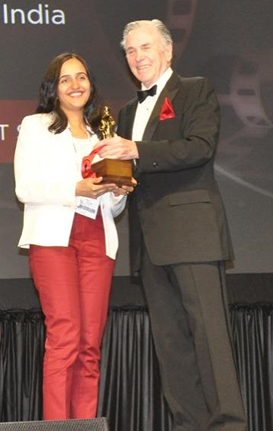

“With a global standing, ICIRC bridges clinic and lab, driving breakthroughs in translational research.”
Awards & Honors
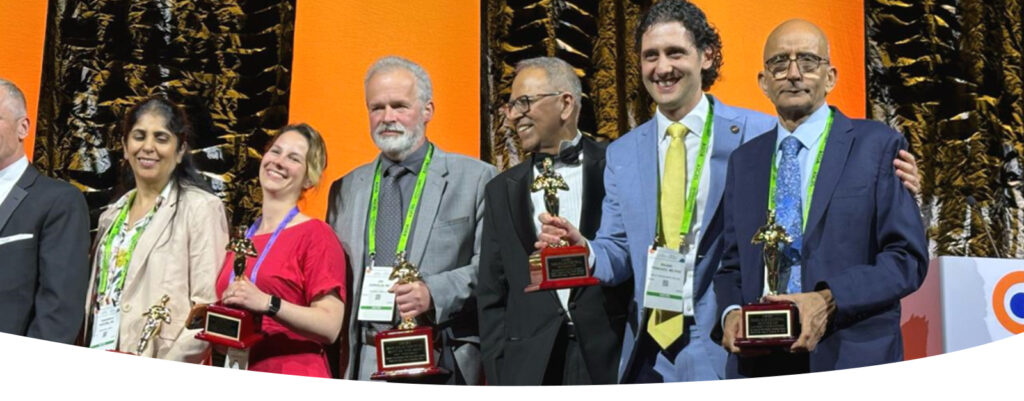
- 70+ Best Paper Awards (ASCRS, AIOS, APACRS, ESCRS, GOS, etc.)
- 20+ Best Poster Awards (AIOS, APACRS, etc.)
- 60+ Best Film / Video Awards (ASCRS, AIOS, APACRS, ESCRS, IIRSI, AAO, ROS, etc.)
- 15+ Invited Lectures & Orations / Honorary Recognitions