“At ICIRC, the strong collaboration between clinician–scientists and basic researchers has positioned us globally as a unique translational research team, where challenges encountered at the bedside are effectively addressed and solved in the laboratory.”

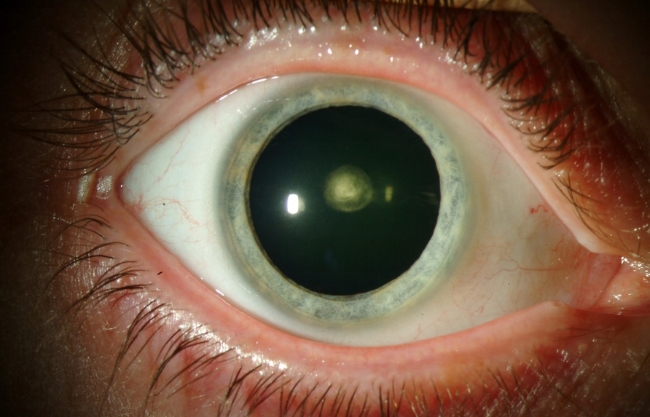
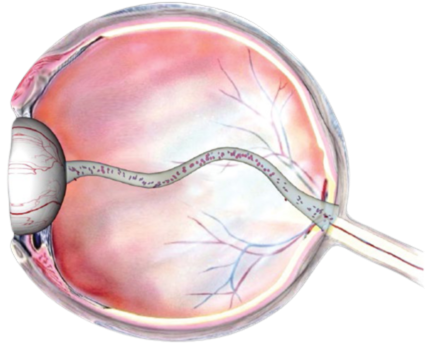
Persistent Fetal Vasculature (PFV) in Children – Unique model for understanding Cancer Angiogenesis and Prevention

Persistent Fetal Vasculature (PFV) in Children – Application in Certain Cancer

Identify genetic and molecular signatures regulating the expression of Arresten, Canstatin, Endostatin and Tumstatin (anti-angiogenic factors) in PFV.

Develop immunotherapeutic approaches targeting these molecules, which could not only provide a treatment strategy for PFV but also offer potential applications in certain cancers where similar pathways are active.

This dual-focus study represents a promising avenue for translational research—bridging pediatric eye disease and oncology through shared molecular mechanisms.
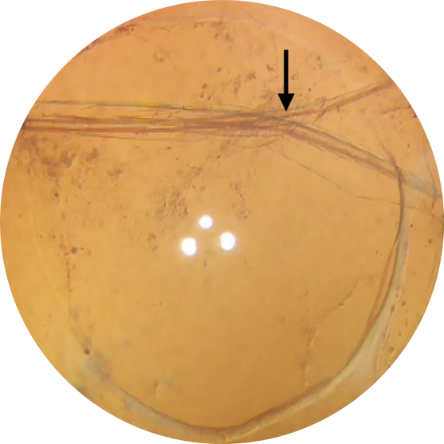
Genetics of
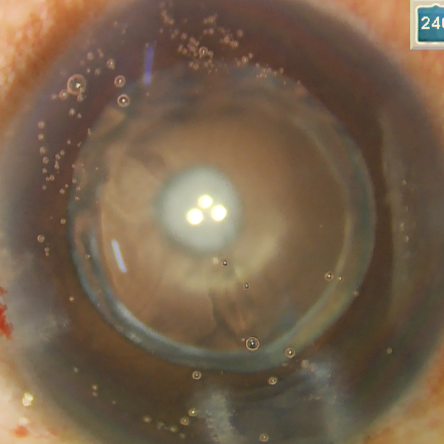
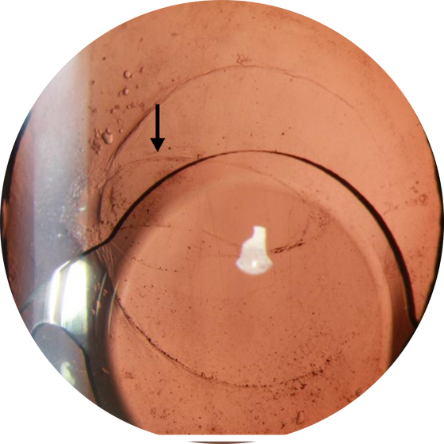
Dead Bag Syndrome (DBS)

Genetics of
Posterior Polar Cataract

The research at ICIRC is far more than academic. It’s a commitment to restoring sight, preventing blindness, and improving quality of life.

Our Commitment

From rural communities to global conferences, ICIRC’s work is creating real change—helping children see clearly, making surgeries safer, and ensuring that even the most complex vision problems can be understood and managed.

Globally Positioned

As India continues to face rising health challenges—especially with diabetes and diabetes related eye complications and Cancers—ICIRC intends to tackle such challenges with integrated scientific innovations.

Our Challenges

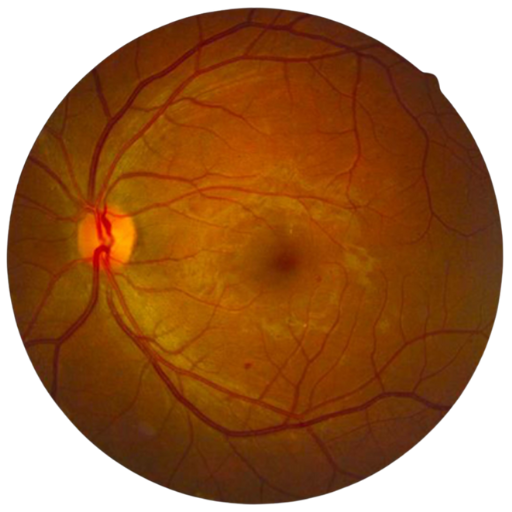
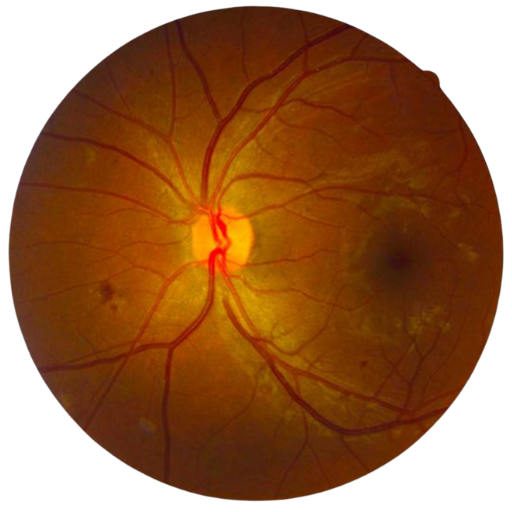
Researching Genetics of Diabetic Retinopathy

Predicting development of diabetic Retinopathy

  • Mapping genetic and serum biomarkers associated with predisposition to diabetes.
  • Discovering probability of diabeticindividuals to diabetic retinopathy (retinal damage, inflammationand abnormal blood vessel growth in the eye).

Indian Data First-of-It’s Kind

Establishing a dedicated Indian Genetic Database for Diabetic Retinopathy and other diabetes-related complications, to better understand the unique genetic patterns in the Indian population.

Translating Research to Individuals

Developing personalized risk profiles based on an individual's genetic makeup, which would allow clinicians to implement targeted monitoring and preventive strategies before vision loss becomes irreversible.

What Does this Research Mean?

This research has the potential to transform diabetic eye care in India by shifting from a one-size-fits-all approach to a personalized, predictive model of care—ultimately reducing blindness and improving quality of life for countless individuals across the country.